Surgery Is Just One Step in the Journey
As a spine surgeon, my job used to end in the operating room. The procedure would go smoothly, the patient would wake up, and after a few days in recovery, they were sent home to begin rehab. But things are changing. We are no longer looking at surgery and recovery as two separate phases. Today, the most successful outcomes come from connecting every step of the patient’s journey, from the moment the scalpel touches skin to the day the patient returns to full movement.
What is driving this change? Technology. Specifically, how we use it to improve both surgical precision and post-op recovery. Robotics and navigation systems now help us achieve pinpoint accuracy during spine surgery. But equally exciting is how new tools in rehab are personalizing recovery and keeping patients moving in the right direction.
Robotic Surgery Is About More Than Accuracy
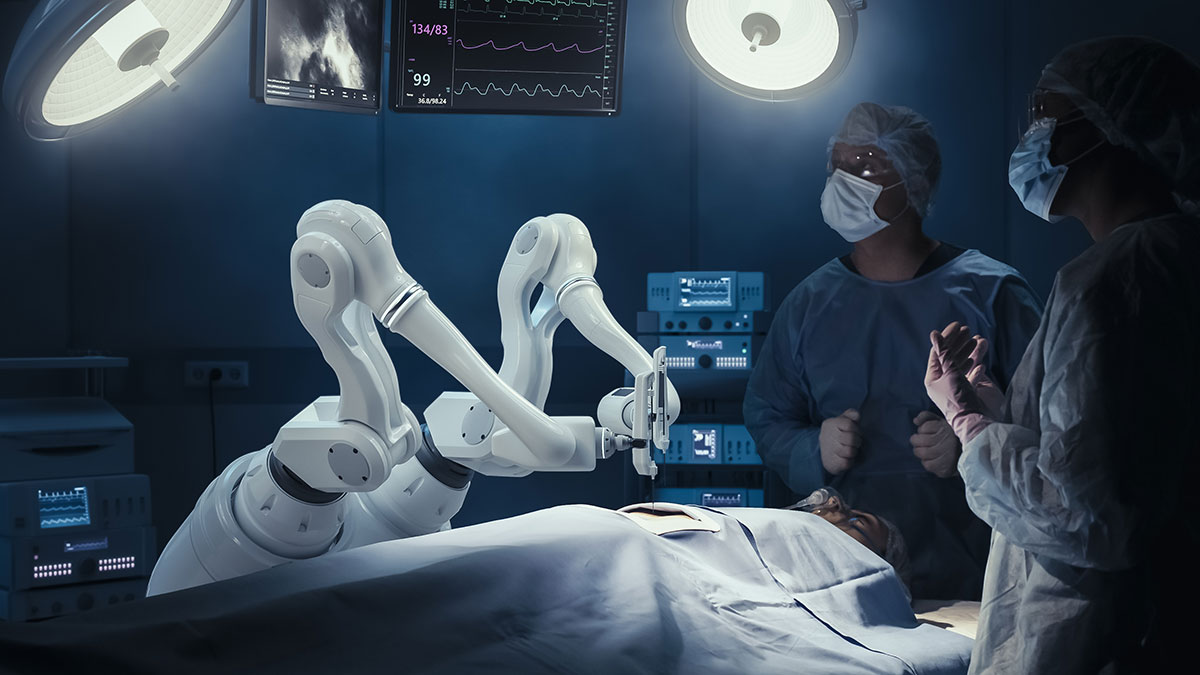
Most people hear the word “robotic” and picture a machine performing surgery alone. That is not quite right. In robotic-assisted spine surgery, the surgeon still controls everything. The robot acts like a GPS, giving us a real-time map and guide for where to place implants, how to angle screws, and how to align everything with extreme precision.
What does that mean for patients? Smaller incisions. Less muscle damage. Shorter hospital stays. Most importantly, robotic precision helps us achieve better alignment and more stable constructs that hold up over time. That sets the stage for a smoother and more confident recovery process.
We now combine robotics with advanced imaging and navigation systems, creating a digital roadmap of the spine before we even begin surgery. This allows for planning that is tailored to the patient’s anatomy and movement patterns. It is not just about fixing what is broken, it is about optimizing how the entire spine functions post-op.
Recovery Begins Before You Leave the OR
One of the biggest shifts in how we approach spine care is that recovery starts before the patient even wakes up. During robotic-assisted surgery, we can minimize soft tissue disruption. That means less inflammation, less blood loss, and reduced post-op pain.
We also use intraoperative monitoring and imaging to verify alignment in real time. If something is off, we catch it and correct it while the patient is still on the table. That reduces the chance of needing revision surgery down the road.
In other words, we are building the foundation for recovery during the operation itself. The better the execution in the OR, the faster and more predictable the rehab process becomes.
The Role of Technology in Rehab
Once the surgery is complete, rehab is where the real work happens. But not all rehab is created equal. Traditionally, patients followed a one-size-fits-all physical therapy program. Today, we can do much better.
Using motion analytics and wearable sensors, we can now track how a patient is moving after surgery. Are they favoring one side? Is their range of motion improving on schedule? Are they compensating in ways that might cause future problems?
This data gives therapists and doctors instant feedback. We can adjust the rehab plan in real time and focus on the movements and exercises that matter most for that individual. It turns recovery into a targeted, data-informed process, not guesswork.
Some systems even allow patients to do guided exercises at home while their progress is tracked remotely. That keeps them engaged and motivated while ensuring that we are spotting problems early.
Bridging the Gap with Communication and Coordination
Technology alone does not guarantee a great recovery. It is how we use it that makes the difference. One of the most important ways we are closing the gap between surgery and full function is by breaking down the walls between the OR and the rehab center.
When our surgical team, physical therapists, and rehab specialists share a digital dashboard of patient progress, we are all working from the same playbook. We can spot issues quickly and coordinate solutions that make sense.
This collaboration ensures that patients are not just healing, they are returning to life. Whether that means getting back to work, returning to sports, or simply being able to walk pain-free with their grandchildren, it all comes down to communication and shared goals.
Building a System That Works for the Long Term
The future of spine care is not just about flashy tools. It is about building a system that connects surgery, rehab, and long-term wellness into a single patient-focused experience.
Robotics gives us the ability to operate with incredible precision. Navigation systems help us plan smarter. Wearables and motion analytics guide personalized rehab. But the true power of these tools comes from how they work together to support each patient’s unique journey.
We are no longer satisfied with procedures that just look good on a scan. We want results that patients can feel in their everyday lives, mobility, confidence, strength, and freedom from pain.
For me, as a surgeon, that is the ultimate measure of success. When a patient walks back into the office with strength in their stride and a smile on their face, I know we have done more than operate. We have truly helped them recover.